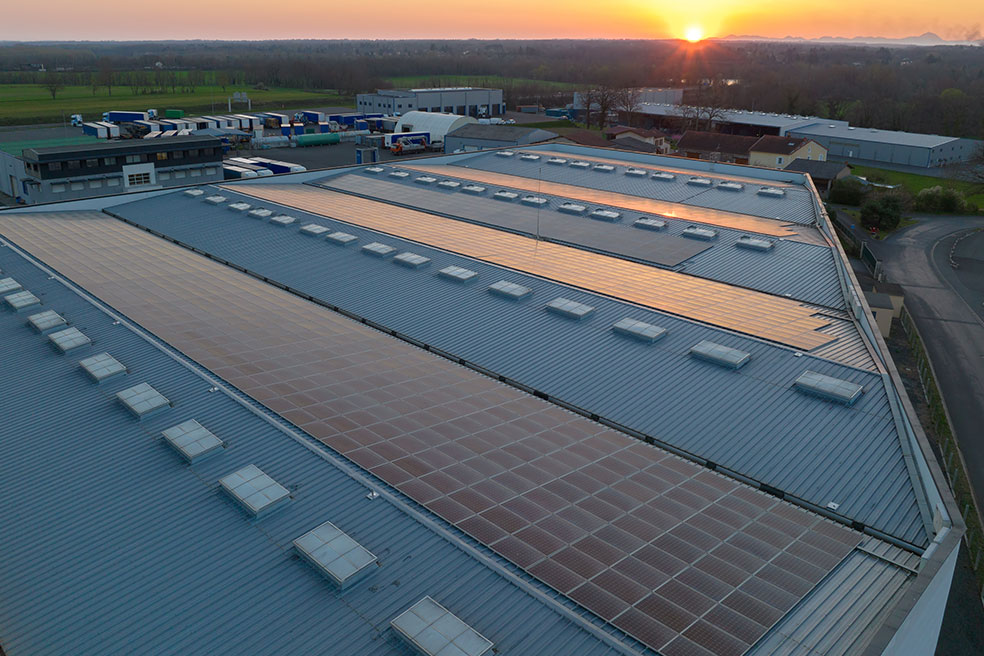
Fin Energy’s Efficiency Tips

Fin Energy’s Efficiency Tips

Energy Efficiency Tips

Power up Your Savings with Fin Energy's Efficiency Tips

At Finenergy, we’re passionate about helping you save money, one watt at a time. That’s why we’ve compiled a list of some top energy-efficiency tips to help you keep your home comfortable and your wallet happy.


Simple Steps Result in Big Savings

01

Lighten Up

Revisions in the code grant improved control over load management, ensuring stability and predictability in energy distribution.

02

Seal the Deal

Drafty windows and doors can suck the energy right out of your home. Invest in weather stripping or caulking to keep the warm (or cool) air inside.

03

Adjust your Thermostat

In the summer, bump up your thermostat a few degrees and embrace the power of ceiling fans. In the winter, try lowering it a bit and layering on warm clothes.

04

Appliance Awareness

Unplug electronics when not in use – standby power adds up! Wash clothes in cold water whenever possible and consider air-drying when weather permits.

05

Shower Power

Long, hot showers are delightful, but they can guzzle energy. Opt for shorter showers, or consider installing a low-flow showerhead.

Need to Power Up your Energy Game?

At Finenergy, we’re committed to helping you find energy solutions that fit your needs and budget.
Finenergy is Your Partner in Power Savings with our Solar Solutions
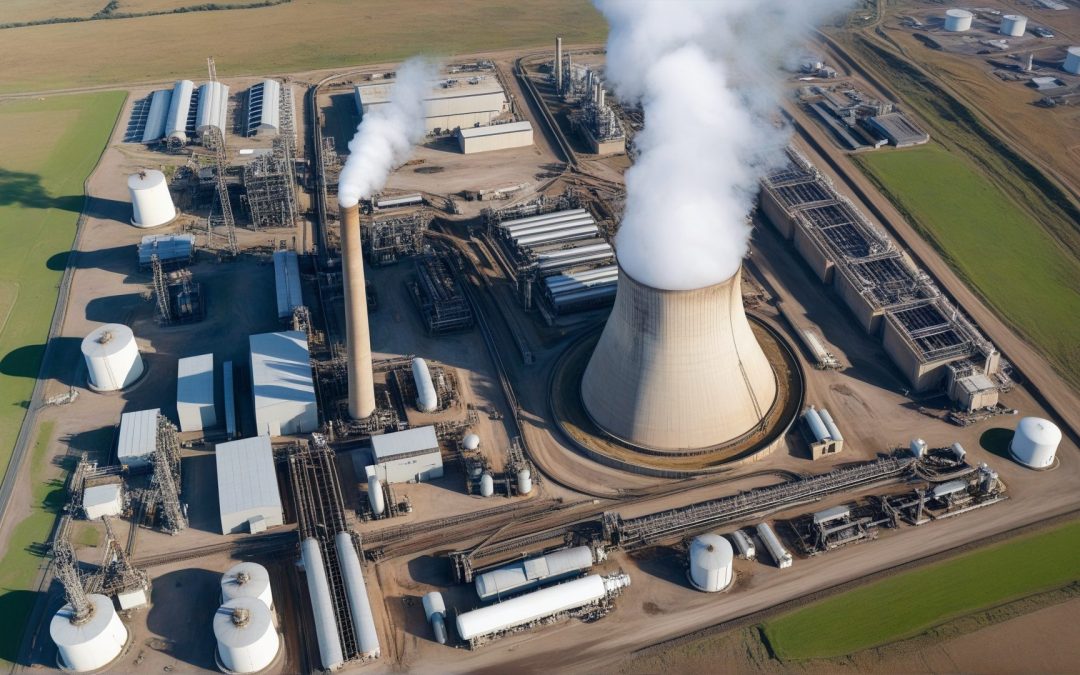
16 Stages of Loadshedding

16 Stages of Loadshedding

Understanding NRS 048-9 Code of Practice Edition 3

A New Era in Energy Management

The recent approval of the NRS 048-9 Code of Practice Edition 3 by Nersa represents a transformative step for South Africa’s energy sector. This edition not only broadens the scope of load shedding stages but also enhances the operational protocols, ensuring a more stable and efficient energy management system.

Tracing the Evolution of NRS 048-9 Code

Significant Developments in Load Shedding Regulations

Since its inception in 2010, the NRS 048-9 Code has undergone substantial revisions to address the growing complexities and demands of South Africa’s energy sector. The third edition of the code marks a pivotal development, introducing comprehensive changes that significantly modify the framework for managing load shedding across the nation.

A New Era in Energy Regulation

The latest iteration, Edition 3, expands load shedding stages to an unprecedented Stage 16, reflecting a strategic response to the severe energy constraints experienced in recent years. This edition not only broadens the scope of load management stages but also integrates advanced control measures and smart metering technologies to enhance system stability and efficiency.

Key Features of the Updated NRS 048-9 Code

01

Unified Load Shedding Stages

The updated code consolidates load shedding into a streamlined system of stages 1 to 16, enhancing consistency across all energy licensees.

02

Enhanced System Control

Revisions in the code grant improved control over load management, ensuring stability and predictability in energy distribution.

03

Flexibility for Curtailment

New provisions allow curtailment customers to adjust their energy usage by up to 10% per stage, offering tailored energy solutions.

04

Smart Metering Integration

The third edition of the code includes guidelines for smart meter technologies, aiming to lessen the impact of load shedding.

05

Alternative Load Shedding Strategies

Emphasis is placed on exploring innovative technologies and methods to improve the efficiency and effectiveness of load shedding.

06

Comprehensive Load Management

This feature highlights the strategic approach to load management that ensures minimal disruption and maximizes efficiency.

Need Guidance on the New Load Shedding Framework?

With the recent approval of the NRS 048-9 Code of Practice Edition 3, navigating the updated load shedding stages can be complex. Let Fin Energy help you understand and adapt to these changes with our expert guidance and innovative solutions. Reach out now to leverage our expertise in the energy sector.